Charlie’s Story
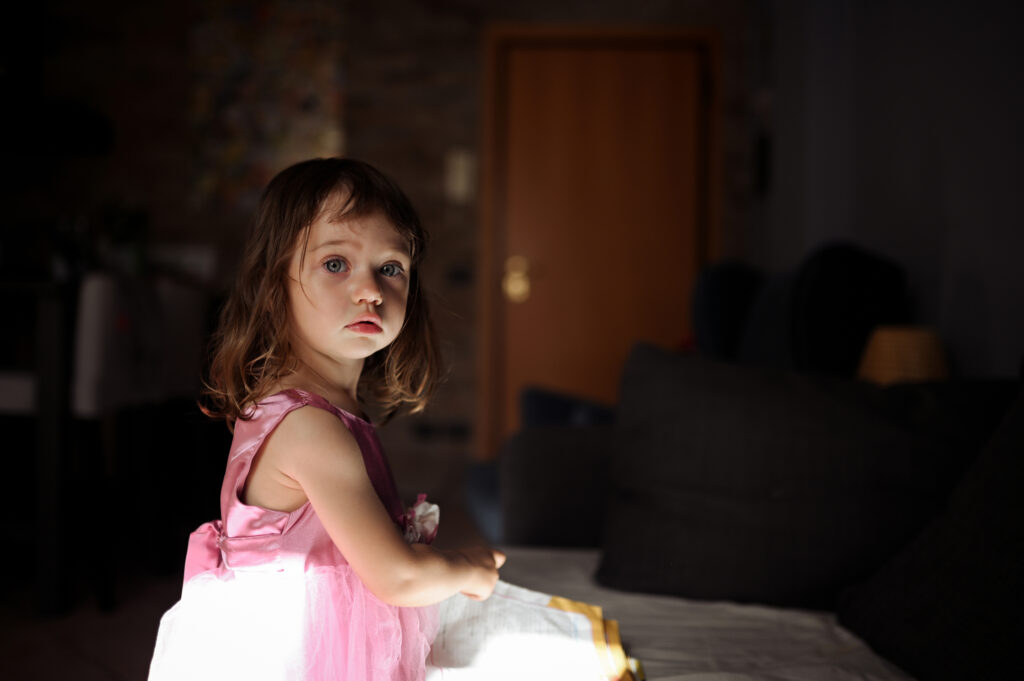
Charlie has never had a sit-down-family dinner. She doesn’t go outside. She doesn’t have friends.
There are so many simple things in our childhoods that we take for granted.
Sitting down as a family at the dinner table to eat all together. Playing with other children at the playground. Having a story read to you at night.
These things are unknown to Charlie.
She is only four years old. And her reality is quite different to how we like to imagine a child’s life.
Charlie has never sat down at a table with her family to have a homemade dinner. She eats in front of the telly, some toast or plain pasta or whatever her Mam could put together with what little they have.
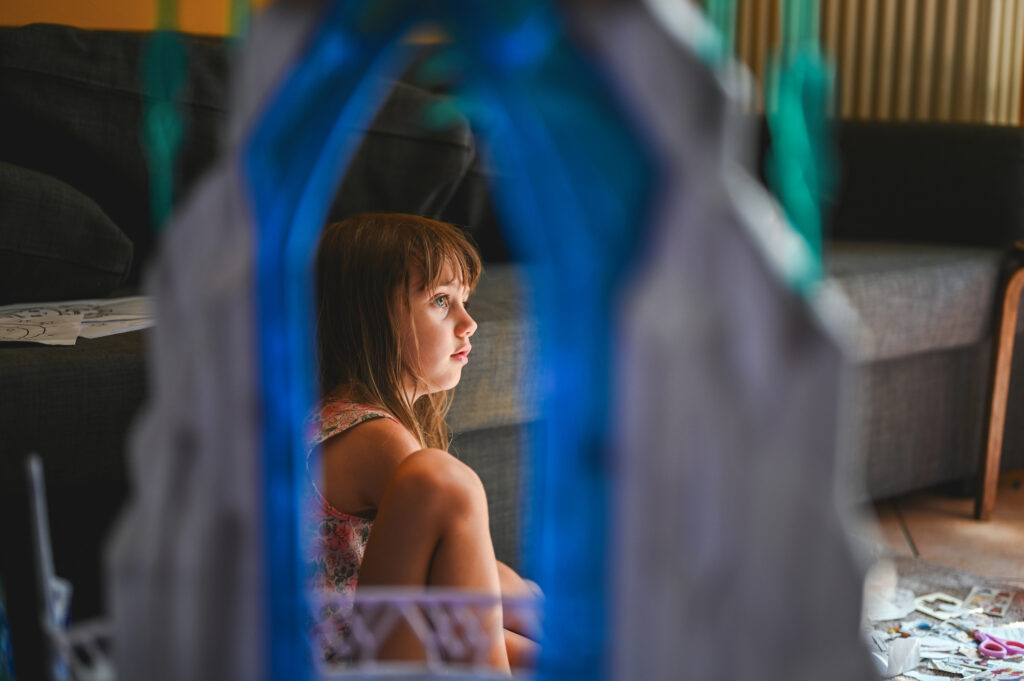
Charlie doesn’t have any friends. She wanders around the house all day. Charlie and her mum don’t leave the house much.
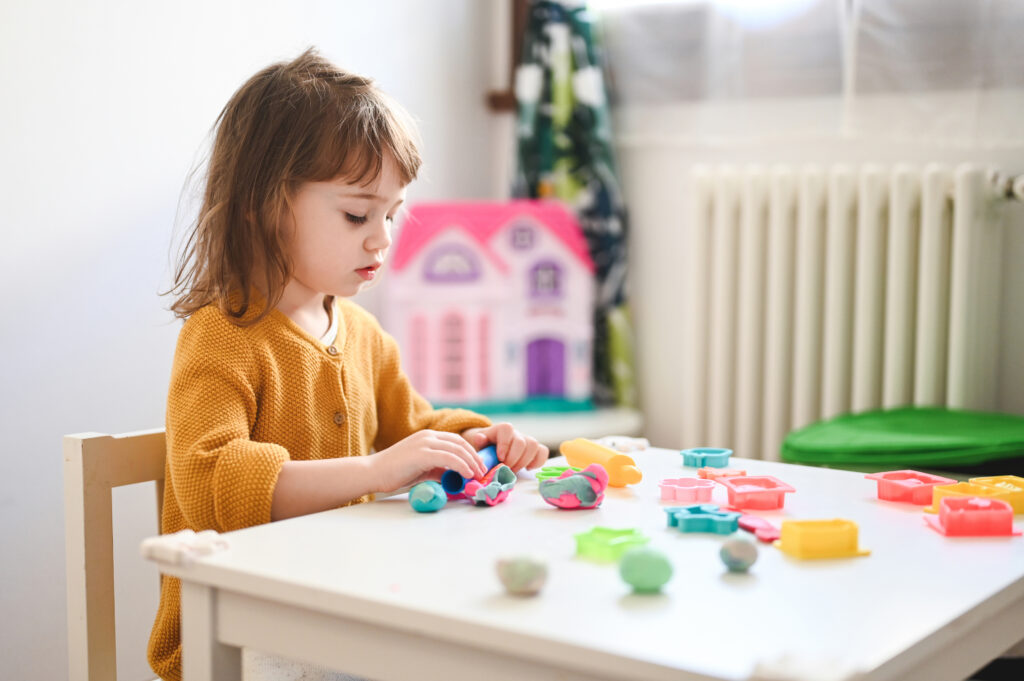
Charlie has never been in a playground. Children learn so much on playgrounds. They learn to wait for their turn, to share, to be with other children. They also work on their physical skills and gain confidence through climbing, crawling, balancing. So many important skills that Charlie has been missing out on.
You see, Charlie’s mam, Natalie, is suffering from severe depression. She had a very difficult upbringing, and Charlie’s dad left her as soon as she became pregnant. Looking after Charlie on her own, she is struggling to make ends meet, which only adds to her constant feeling of dread and overwhelm. She struggles to get out of bed every morning, sometimes she doesn’t get out of bed at all.
Did you know that almost half (49%) of parents said they currently or in the past have had poor mental health since becoming parents?*
It’s really worrying to hear about the number of parents suffering from poor mental health, and the negative effect this is having on their children. Without any support, Charlie might go on to grow up with mental health problems herself, which will in turn have an impact on her own children. It’s a vicious cycle. Unfortunately, there are so many parents and children, all around the country, who really need our help. And we can’t help them without you.
Can you give a gift to help a child like Charlie?
When our Barnardos project worker first visited Charlie and Natalie’s home, Natalie broke down into tears. She said she felt so awful all the time, she felt she wasn’t being the mother she wanted to be for Charlie, and that made her feel so guilty. She could see how her own mental health issues were having an effect on Charlie and was so worried for her daughter. It was all just too hard. She didn’t know what to do.
It was agreed that Charlie would start attending one of the Barnardos Early Years centres. This would help her get out of the house, be with other children and, hopefully, reach her developmental milestones so she could be ready when time came to start school.
Can you help a child like Charlie today?
When Charlie first arrived in Barnardos, it was clear she was suffering from delays in her physical and intellectual development. She didn’t know how to climb the steps and ladders of the playground equipment, as she had spent most of her time at home, rarely going anywhere else. She didn’t know how to be with other children either. She had very little vocabulary. It was all new to her.
Without adequate supports, children living in households experiencing poor parental mental health are at greater risk of developing their own mental health problems, disengaging from school, struggling to build relationships and generally experiencing worse wellbeing and future opportunities*.
This is what awaits Charlie if we do nothing. And many more children all over Ireland.
Can you donate today to help give Charlie the same chances as other children?
We need to change Charlie’s story. Help her get the childhood every child deserves. Because this will shape who she becomes as an adult.
You can change Charlie’s future.
Because childhood lasts a lifetime.
*Parental Mental Health & the Impact on Children, Barnardos, May 2025
Every single donation goes a long way in making a difference to the lives of children like Charlie.
While Charlie’s story is true, we have changed all names and some other details in order to protect the family’s identity. Photos used are models.